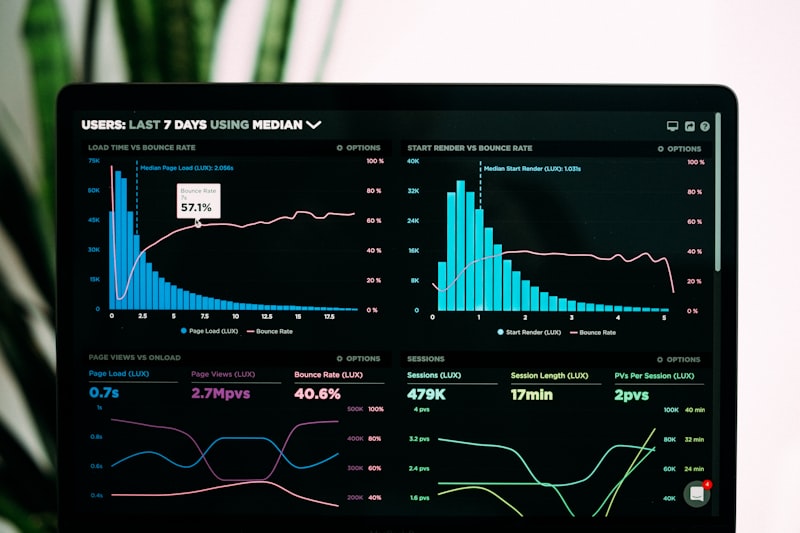
Artificial Intelligence is no longer a futuristic concept—it's actively reshaping the digital retail landscape right now. From predictive analytics to personalized recommendations, AI is giving forward-thinking brands a significant competitive advantage on the digital shelf. Let's explore how AI is transforming key aspects of digital merchandising and what it means for retailers in 2025.
The AI Revolution in Digital Retail
The integration of AI into e-commerce isn't just about automation—it's about intelligent optimization at a scale impossible for humans alone. AI systems can analyze millions of data points in seconds, identify patterns that humans might miss, and make real-time decisions that improve performance across every aspect of the digital shelf.
"AI is not replacing human expertise in retail—it's amplifying it. The brands winning today combine AI's computational power with human creativity and strategic thinking." - E-commerce Innovation Leader
Predictive Analytics
Forecast trends and demand before they happen
Personalization
Deliver unique experiences to each customer
Automation
Streamline operations and reduce manual work
1. AI-Powered Product Content Optimization
Creating compelling product content at scale has always been one of retail's biggest challenges. AI is transforming this process by analyzing top-performing content, understanding what resonates with customers, and generating optimized product descriptions, titles, and bullet points.
How AI Optimizes Content:
- Keyword optimization: AI identifies high-performing keywords and naturally integrates them into product content
- Sentiment analysis: Analyzes customer reviews to understand what features and benefits to highlight
- A/B testing automation: Continuously tests different content variations and learns what converts best
- Multi-language support: Instantly translates and localizes content while maintaining SEO effectiveness
- Content gap identification: Identifies missing information that customers are searching for
Leading retailers using AI-powered content optimization report conversion rate increases of 25-40% compared to manually created content, with significantly reduced time-to-market for new products.
2. Dynamic Pricing Intelligence
Traditional pricing strategies rely on periodic manual reviews and gut instinct. AI-driven dynamic pricing continuously monitors market conditions, competitor actions, demand signals, and inventory levels to optimize prices in real-time.
AI Pricing Capabilities:
- Competitive intelligence: Real-time monitoring of competitor pricing across all platforms
- Demand forecasting: Predicts demand spikes and adjusts pricing to maximize revenue
- Elasticity modeling: Understands how price changes impact sales volume for each product
- Margin optimization: Balances competitive positioning with profitability goals
- Promotional timing: Identifies optimal moments for discounts and promotions
Real-world impact: Retailers implementing AI-powered pricing see average profit margin improvements of 10-15% while maintaining or increasing market share. The system learns from every transaction, continuously refining its strategies.
3. Visual Recognition and Image Optimization
Product images are critical for digital shelf success, and AI is revolutionizing visual content optimization. Computer vision algorithms can analyze images, understand what makes them effective, and even generate or enhance product photography.
AI Visual Applications:
- Image quality assessment: Automatically evaluates product photos against platform requirements and best practices
- Background removal and enhancement: Instantly processes images to meet marketplace standards
- Visual search optimization: Ensures images are optimized for visual search engines
- Lifestyle image generation: Creates context-appropriate lifestyle imagery using AI
- Compliance checking: Identifies images that violate platform policies before upload
Products with AI-optimized images see click-through rates 30% higher than those with standard photography, as the AI ensures every image meets platform best practices and customer expectations.
4. Predictive Analytics for Inventory and Demand
AI-powered predictive analytics helps retailers make smarter decisions about inventory levels, product launches, and resource allocation. By analyzing historical data, market trends, seasonal patterns, and external factors, AI can forecast demand with remarkable accuracy.
Predictive Analytics Use Cases:
- Demand forecasting: Predict sales volume weeks or months in advance with 85%+ accuracy
- Stockout prevention: Alert brands before inventory runs low on high-performing products
- Trend identification: Spot emerging trends before competitors, enabling proactive strategy
- Seasonal optimization: Understand seasonal patterns and prepare accordingly
- Product lifecycle management: Predict when products are entering decline phases
The financial impact is substantial: reduced stockouts increase sales by 10-20%, while better inventory management reduces carrying costs and waste. AI essentially gives retailers a crystal ball for planning.
5. Personalized Customer Experiences
Perhaps AI's most transformative application is hyper-personalization at scale. AI algorithms analyze individual customer behavior, preferences, and purchase history to deliver uniquely tailored experiences.
Personalization Powered by AI:
- Product recommendations: Suggest products based on browsing behavior, purchase history, and similar customer profiles
- Dynamic content: Adjust product descriptions and images based on customer preferences
- Personalized pricing: Offer targeted promotions to specific customer segments
- Search result optimization: Prioritize products most relevant to each individual
- Email campaign optimization: Send personalized communications at optimal times
Research shows that personalized experiences increase conversion rates by 80% compared to generic approaches. Customers increasingly expect this level of personalization, making it a competitive necessity.
6. Automated Competitive Intelligence
Keeping track of competitors across multiple platforms is virtually impossible manually. AI-powered competitive intelligence tools monitor competitor activity 24/7, providing real-time insights and alerts.
AI Competitive Monitoring:
- Price tracking: Monitor competitor pricing changes across all platforms in real-time
- Content analysis: Understand what content strategies competitors are using successfully
- Product launches: Get instant alerts when competitors introduce new products
- Promotion detection: Track competitor promotional strategies and timing
- Review monitoring: Analyze competitor reviews for insights and opportunities
- Share of voice tracking: Measure your visibility relative to competitors
7. Natural Language Processing for Reviews
Customer reviews contain invaluable insights, but analyzing thousands of reviews manually is impractical. Natural Language Processing (NLP) enables AI to understand review content, extract themes, and provide actionable insights.
NLP Applications in Reviews:
- Sentiment analysis: Understand overall sentiment and identify specific pain points
- Feature extraction: Identify which product features customers love or hate
- Trend detection: Spot emerging issues before they become widespread problems
- Competitive comparison: Analyze competitor reviews to identify your advantages
- Review response generation: Create personalized, contextual responses to reviews
Implementing AI in Your Digital Merchandising Strategy
While AI offers tremendous potential, successful implementation requires a strategic approach. Here's how to get started:
AI Implementation Roadmap:
- Start with data: Ensure you have quality data to train AI models effectively
- Identify high-impact areas: Focus first on applications that will deliver the most value
- Choose the right tools: Select AI platforms that integrate with your existing systems
- Maintain human oversight: AI should augment human decision-making, not replace it
- Measure and optimize: Continuously track AI performance and refine strategies
- Scale gradually: Start with pilot projects before full-scale implementation
The Future: What's Next for AI in Retail
We're still in the early stages of AI's transformation of digital retail. Emerging technologies on the horizon include:
- Generative AI for content creation: Fully automated, high-quality content generation at scale
- Voice commerce optimization: Optimizing products for voice-activated shopping assistants
- Augmented reality integration: AI-powered virtual try-ons and product visualization
- Predictive customer service: Anticipating and resolving issues before customers notice them
- Autonomous marketplaces: Self-optimizing product listings that continuously improve
Conclusion: Embracing the AI-Powered Future
AI is not just changing digital merchandising—it's redefining what's possible. Brands that embrace AI-powered strategies gain significant advantages in efficiency, performance, and customer satisfaction. The question is no longer whether to adopt AI, but how quickly you can implement it effectively.
At Instore, we're at the forefront of AI-powered digital retail solutions. Our platform combines cutting-edge artificial intelligence with deep retail expertise to deliver measurable results. From automated content optimization to predictive analytics, we help brands harness AI's full potential to win the digital shelf.
Ready to Leverage AI for Your Brand?
Discover how our AI-powered platform can transform your digital retail performance. Get a personalized demo and see the technology in action.
Schedule Your AI Demo